Kiln-Dried Firewood vs. Other Heating Sources
When there is a chill in the air, there’s an undeniable charm to staying cozy indoors. For many homeowners, this means evaluating the best heating options to keep their homes warm and inviting. While traditional heating methods like gas and electric systems dominate the market, kiln-dried firewood is emerging as a practical, cost-effective, and aesthetically appealing alternative.
Firewood kilns are designed for rapid moisture removal at high temperatures, typically prioritizing quick drying over quality. They often have larger heating systems and ventilation compared to lumber kilns, which focus on controlled drying conditions for producing high-quality lumber without defects.
In this blog post, we will explore the numerous benefits of kiln-dried firewood compared to other heating methods, focusing on its efficiency, ambiance, and cost-effectiveness. Whether you use wood-burning stoves, open fireplaces, or fire pits, this guide will help you understand why kiln-dried logs are an excellent choice for winter heating.

Introduction to Kiln-Dried Firewood
Kiln-dried firewood is a premium type of firewood that has undergone a specialized drying process in a kiln to reduce its moisture content to less than 20%. This meticulous process involves placing the wood in a controlled environment where it is exposed to high temperatures and low humidity. The result is firewood that burns hotter, longer, and cleaner than other types of firewood. The reduced moisture content ensures that kiln-dried firewood ignites easily and produces a consistent, efficient heat source. Whether you’re using it in a fireplace, wood stove, or outdoor fire pit, kiln-dried firewood offers numerous benefits, including improved burning efficiency, reduced smoke production, and increased heat output.
What is Kiln-Dried Firewood?
Kiln-dried firewood undergoes a specialized kiln drying process in a controlled environment to reduce its moisture content to an optimal level of around 20% or less. Unlike seasoned firewood, which relies on natural air drying and can still contain excess moisture, kiln drying ensures a more consistent and reliable product.
The result is dried firewood that burns hotter, cleaner, and with less smoke compared to green wood or seasoned wood. This makes it ideal for fireplaces, wood-burning stoves, and outdoor fire pits.
Benefits of Kiln-Dried Firewood for Winter Use
When winter arrives, having a reliable and efficient heat source is essential. Kiln-dried firewood stands out as an excellent choice for winter use due to its ability to provide consistent and efficient warmth. The low moisture content of kiln-dried firewood means it burns more efficiently, producing more heat and less smoke compared to other types of firewood. This makes it ideal for use in fireplaces, wood stoves, and wood burning stoves, where maintaining a steady and comfortable temperature is crucial. Additionally, kiln-dried firewood is less likely to produce creosote buildup in chimneys, making it a safer option for indoor use. Its clean burn and high heat output ensure that your home stays warm and cozy throughout the winter months.
Kiln Drying Process Explained
The kiln drying process is a method used to reduce the moisture content of firewood to an optimal level, typically below 20%. This process involves placing the wood in a kiln, where it is subjected to high temperatures and low humidity for a set period. The controlled environment of the kiln ensures that excess moisture is efficiently removed from the wood, resulting in a product that burns hotter and cleaner. By reducing the moisture content, the kiln drying process enhances the wood’s burning efficiency and heat output, making it a superior choice for heating purposes. This method is particularly beneficial for producing high-quality firewood that is ready to use and performs consistently well in various heating applications.
How Kiln Drying Works
The kiln drying process works by using heated air to raise the temperature of the wood, causing the moisture within the wood to evaporate. The kiln is designed to circulate the heated air around the wood, ensuring that all surfaces are evenly dried. This circulation is crucial for achieving a uniform moisture content throughout the wood. The temperature and humidity levels in the kiln are carefully controlled to ensure that the wood is dried to the optimal moisture content, typically below 20%. This precise control over the drying environment ensures that the wood is not over-dried or under-dried, resulting in a high-quality product that burns efficiently and cleanly.
The Role of High Temperature Ovens in Kiln Drying
High temperature ovens are a critical component of the kiln drying process. These ovens are designed to operate at high temperatures, typically ranging between 160°F and 190°F, to quickly and efficiently remove excess moisture from the wood. The high temperature ovens are equipped with precise temperature and humidity controls, ensuring that the wood is dried to the optimal moisture content. By maintaining consistent and controlled conditions, these ovens help produce kiln-dried firewood that burns hotter, longer, and cleaner. The use of high temperature ovens in the kiln drying process not only enhances the quality of the firewood but also ensures that it is free from pests and mold, making it a safer and more reliable choice for heating.

Comparing Heating Methods
Kiln-Dried Firewood
Efficiency: The drying process of kiln drying firewood involves an accelerated method using a climate-controlled environment where temperatures are elevated to facilitate moisture evaporation. This ensures higher heat output and a cleaner burn. This means fewer logs are needed to achieve the same warmth as seasoned firewood or green wood.
Cost-Effectiveness: While the upfront cost of premium kiln-dried firewood may be higher, its efficiency translates to long-term savings. You’ll burn fewer logs, minimizing overall expenses.
Ambiance: Nothing compares to the natural crackle of a real wood fire. Kiln-dried firewood offers an unmatched sensory experience, making it perfect for cozy evenings or special occasions.
Safety: Because kiln-dried firewood produces less creosote buildup, it reduces the risk of chimney fires. Its low moisture level also minimizes excessive smoke, ensuring a safer indoor environment.
Gas Heating
Efficiency: Gas heating systems are designed for consistent whole-home warmth. However, fluctuating fuel costs can make them less predictable in terms of expense.
Cost: Installation and maintenance of gas systems can be costly. Additionally, natural gas and propane prices vary based on market conditions.
Ambiance: While gas fireplaces can mimic the look of real flames, they lack the authenticity and charm of a wood-burning fire.
Electric Heating
Efficiency: Electric heaters convert energy into heat effectively but are often expensive to run, especially in larger spaces.
Cost: High electricity rates can lead to significant operating costs over time. Although they are easy to use, they lack long-term cost savings.
Ambiance: Electric fireplaces attempt to replicate real wood fires but fall short in delivering the same sensory warmth and atmosphere.

Why Kiln-Dried Firewood Outshines the Competition
Higher Heat Output
The kiln drying process reduces the wood's moisture content below 20 percent, enhancing heat output and ensuring that the dried wood burns efficiently. This results in more heat per log compared to seasoned wood or air-dried wood, making it well-suited for homeowners seeking maximum warmth.
Cleaner Burn
With its low humidity, kiln-dried firewood produces less smoke and fewer harmful emissions. This not only creates a healthier indoor environment but also reduces the impact on the environment compared to fossil fuels.
Consistent Performance
The controlled environment of a firewood kiln ensures that each log has an optimal moisture content, delivering consistent performance in wood-burning stoves, open fires, or fire pits. Unlike seasoned firewood, which can vary in quality, kiln-dried logs are dependable and efficient. Lumber kilns, on the other hand, operate at lower temperatures and with controlled drying rates to produce higher quality wood, while firewood kilns focus on quick drying to remove moisture rapidly, which may compromise wood quality.
Safer for Indoor Use
The reduced creosote buildup from burning kiln-dried firewood minimizes the risk of chimney fires. Additionally, its lack of mold spores and invasive species makes it a safer option for firewood indoors.
Environmental Impact of Kiln-Dried Firewood: Understanding Moisture Content
When sourced responsibly, kiln-dried firewood is a sustainable heating option. The kiln drying process, though energy-intensive, ensures that the wood’s moisture content is optimal for burning, reducing excessive smoke and emissions. This makes it an environmentally friendly choice for many homeowners seeking greener alternatives.
How to Choose the Best Kiln-Dried Firewood
Look for these qualities when purchasing:
Moisture Level: Ensure the moisture content is below 20%.
Wood Type: Hardwoods like oak , hickory, and mixed hardwood are preferred for their long burn times and high heat output.
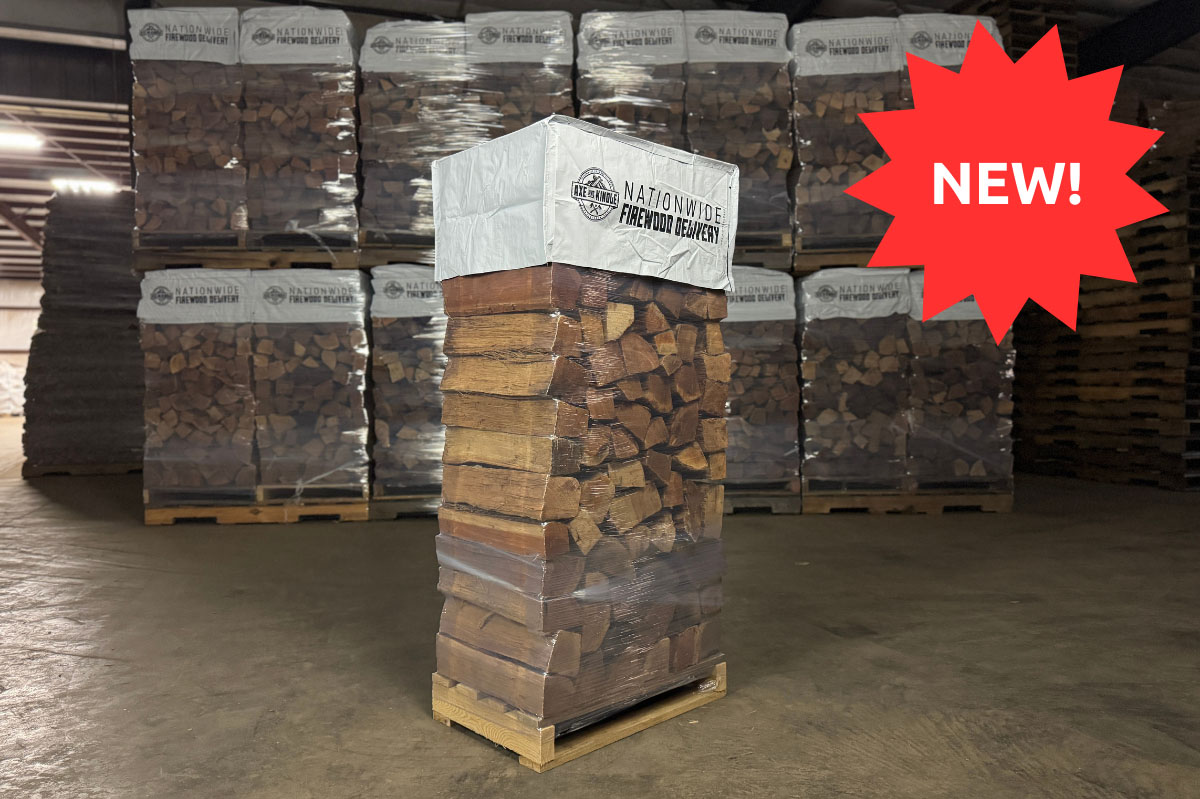
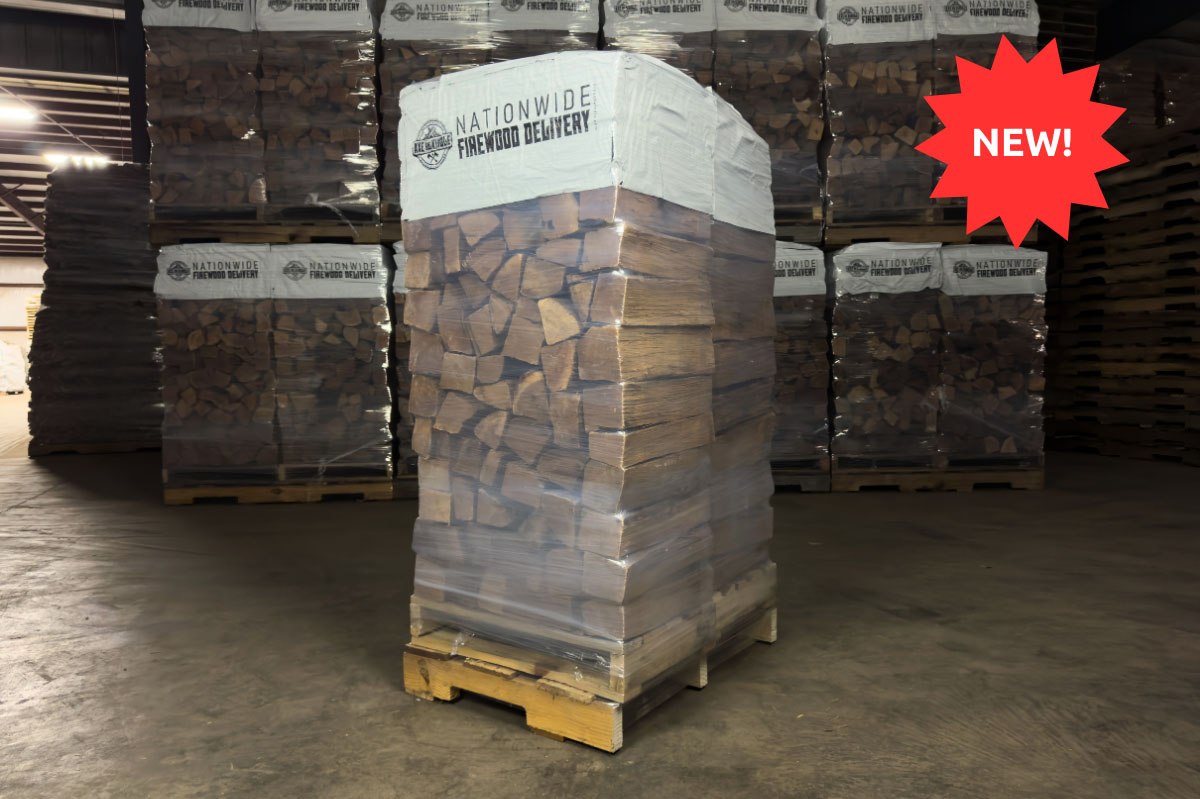
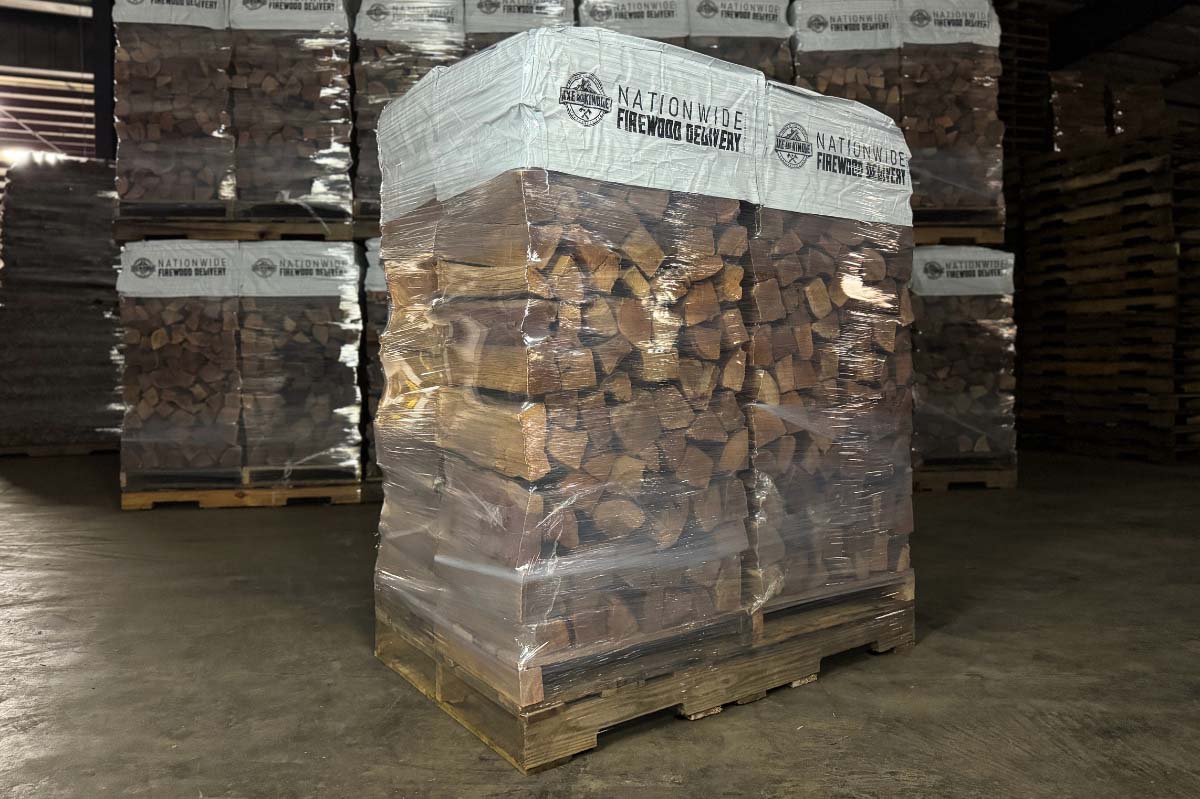
Packaging and Delivery: Opt for convenient firewood delivery options to ensure you receive ready-to-use logs.
The Numerous Benefits of Kiln-Dried Firewood
Using kiln-dried wood provides many homeowners with several advantages:
Burns Hotter and Longer: Less moisture means more energy is used for heat, not evaporation.
Reduces Creosote Buildup: Safer for your chimney and indoor air quality.
Fewer Logs Required: Efficient heat output means you’ll need fewer logs to keep your home warm.
Versatility: Suitable for wood stoves, fire pits, open fires, and even in the food industry for cooking.

Conclusion: The Best Heating Option for Winter
For homeowners who value efficiency, ambiance, and sustainability, kiln-dried firewood is the ideal choice. Its numerous benefits, including higher heat output, cleaner burns, and reduced creosote buildup, make it stand out among other heating methods like gas and electric systems.
Whether you’re curling up by the fire indoors, enjoying a backyard fire pit, or heating your home with a wood stove, the best kiln-dried firewood delivers on all fronts. Don’t settle for seasoned wood or green wood when you can enjoy the premium experience that kiln-dried logs provide.
Make the switch today and experience the warmth, safety, and cost-effectiveness of kiln-dried firewood for yourself. With firewood delivery options available, it’s never been easier to prepare for a cozy and memorable winter season.